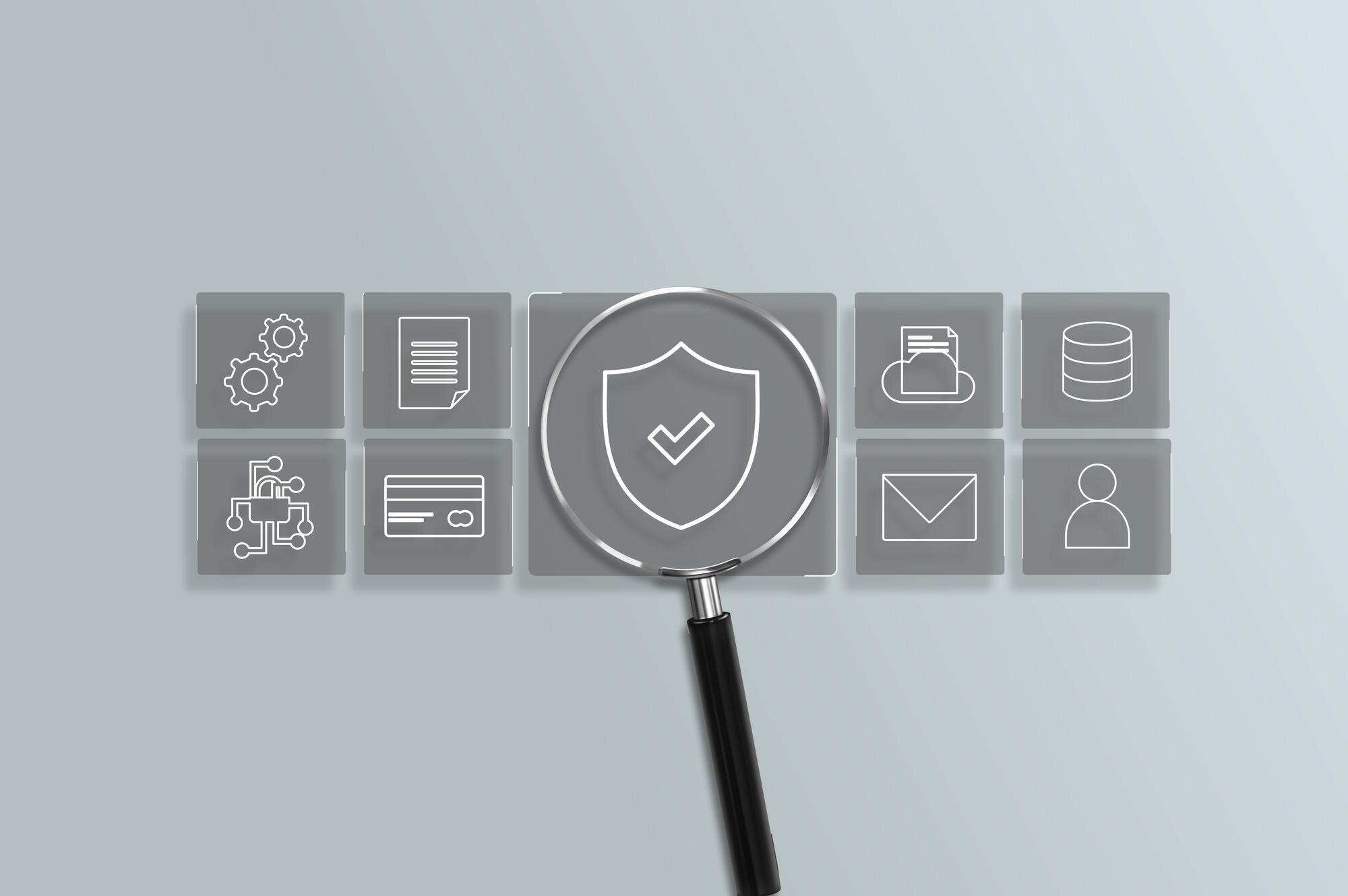
Understanding Data Protection in AI Healthcare Applications: Essentials for Compliance and TrustData protection in AI healthcare isn’t just a box to tick—it’s the backbone of trust between you and your patients. With GDPR compliance and NHS standards guiding every step, your clinical workflows can stay secure without slowing down. In this post, you’ll learn exactly how to safeguard sensitive data while boosting clinical efficiency with AI healthcare technology. Explore how Clinic Companion supports you in meeting these essential requirements. For more insights, visit this guide.
AI Healthcare and Data Protection

Importance of Data ProtectionPatient data is valuable, making it a target for cyber threats. You need to keep this data safe to maintain trust and meet legal obligations. By safeguarding data, you show your patients that their privacy matters to you.
Healthcare data breaches are on the rise, with more than 29 million records exposed in one year alone. Protecting this information isn't just about avoiding penalties; it's about safeguarding the well-being of your patients.
When patients know their data is secure, they feel more comfortable sharing sensitive information. This trust enhances their relationship with you and can lead to improved care outcomes.
GDPR Compliance in AIThe General Data Protection Regulation, or GDPR, is a key framework for data protection. Adhering to GDPR ensures you handle personal data responsibly, which is vital in healthcare settings.
GDPR requires transparency in how you collect and use data. You must inform patients about their rights and how their information will be used. This openness fosters trust and confidence in your practice.
Compliance also involves securing data against loss or theft. By implementing robust security measures, you protect your practice from potential fines and damage to your reputation.
NHS Standards OverviewThe NHS sets specific standards for handling healthcare data. These guidelines help ensure that patient information is managed safely and effectively across the healthcare system.
Following NHS standards means you are committed to maintaining high levels of security and confidentiality. This commitment is crucial in building and maintaining trust with patients and colleagues.
The NHS also emphasizes the importance of regular training and updates to keep staff informed about best practices. Staying informed helps your team respond effectively to new challenges and threats. For more details on NHS standards, check out this comprehensive overview.
Ensuring Compliance and Trust

Building Trust in AI HealthcareTrust is the foundation of any healthcare relationship. When you use AI tools, it's essential to show how they enhance care without compromising privacy.
Patients often worry about AI replacing personal interaction. By demonstrating how AI supports rather than replaces your role, you can alleviate these concerns and foster trust.
Training and education are also key. When patients understand how AI works and its benefits, they are more likely to embrace it. This understanding can lead to better engagement and outcomes.
Maintaining GDPR ComplianceMaintaining GDPR compliance is crucial for protecting patient data. It involves regular audits and updates to your practices to ensure they meet current standards.
One critical aspect of GDPR is obtaining explicit consent from patients before collecting data. This consent must be informed and voluntary, ensuring patients are aware of their rights and how their data will be used.
Regularly reviewing your data protection policies and procedures helps keep your practice compliant. It also demonstrates your commitment to transparency and accountability.
Understanding NHS GuidelinesNHS guidelines provide a framework for managing healthcare data. Understanding these guidelines helps you ensure that your practice meets necessary standards and protects patient information.
The NHS emphasizes the importance of clear documentation and reporting. Keeping accurate records helps you track compliance and identify areas for improvement.
Regular training and updates are also crucial. By staying informed about changes to NHS guidelines, you can adjust your practices to meet new requirements and enhance patient care.
Empowering Clinical Efficiency

Benefits of AI TechnologyAI technology offers numerous benefits for healthcare professionals. By automating routine tasks, it frees up your time to focus on patient care.
AI can improve accuracy and reduce errors in documentation and decision-making. This precision enhances clinical outcomes and boosts patient satisfaction.
Real-time data analysis helps you make informed decisions quickly. With AI, you can access vital information at your fingertips, enhancing your ability to provide timely care.
Improving Clinical WorkflowsAI tools streamline clinical workflows by automating tasks like data entry and analysis. This efficiency reduces administrative burdens and allows you to focus on patients.
By integrating AI into your practice, you can improve communication and collaboration among your team. This integration leads to better coordination and enhanced patient care.
AI also supports continuous learning and improvement. With access to real-time insights, you can identify areas for growth and make data-driven decisions to enhance your practice.
Encouraging Engagement with AI SolutionsEngaging with AI solutions requires a willingness to embrace change and innovation. By doing so, you can unlock new opportunities for growth and improvement in your practice.
Education and training are essential for successful AI integration. By keeping your team informed and equipped with the right skills, you can maximize the benefits of AI technology.
Building a culture of innovation and openness to new ideas can also enhance engagement. By encouraging your team to explore new solutions, you can create a dynamic environment that supports growth and success.
In summary, understanding data protection and compliance is vital for enhancing trust and efficiency in AI healthcare applications. By following GDPR and NHS guidelines, you can protect patient data and improve clinical workflows. Embrace AI technology as a partner in delivering exceptional care.